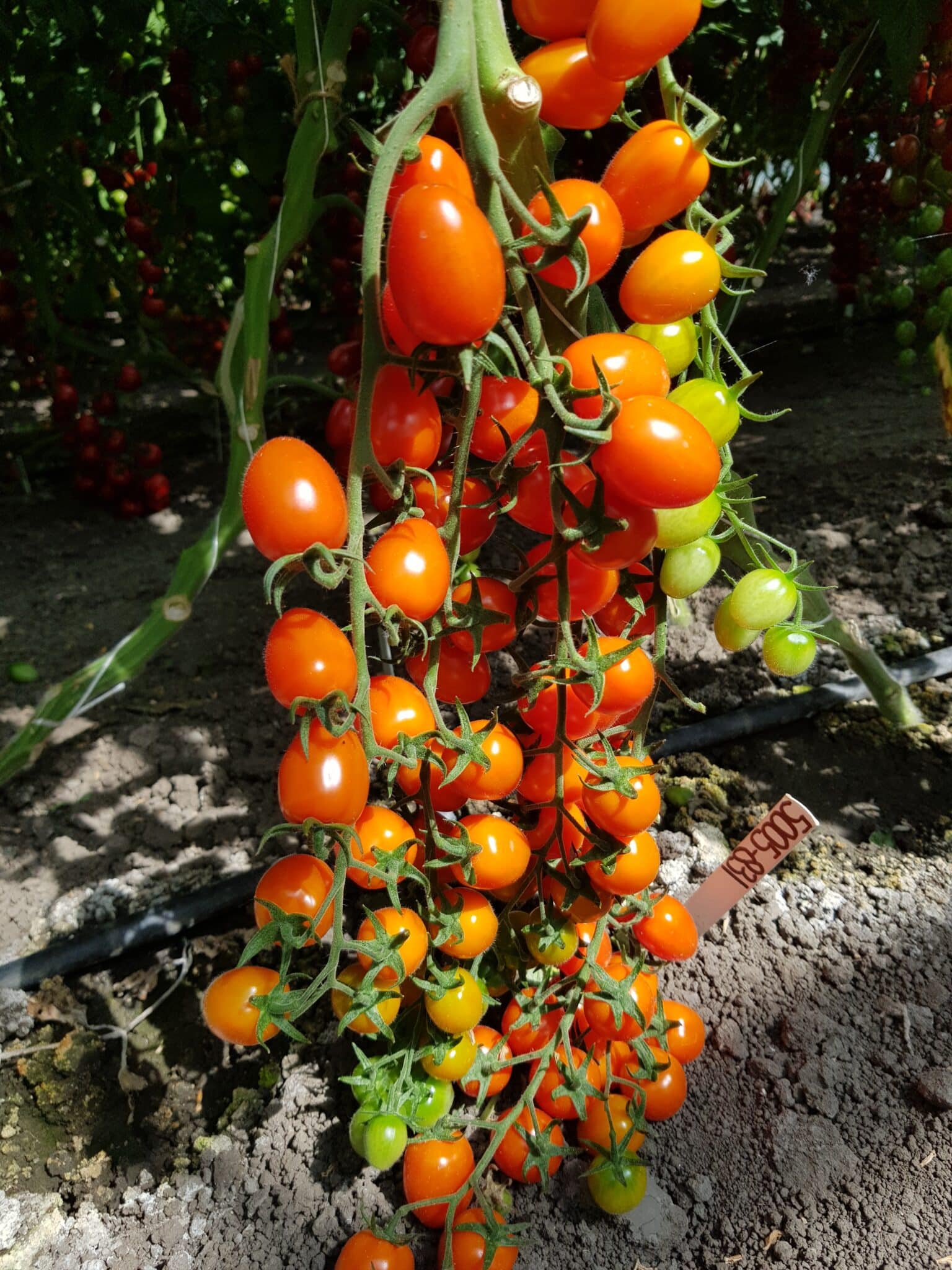
<h1>Indeterminate Tomatoes: Harnessing the Power of Forever-Blooming Varieties</h1> <p>Indeterminate tomatoes are a gardener’s dream—vining plants that continuously produce fruit throughout the entire growing season. Unlike determinate types, which grow to a set height and bear all fruit at once, indeterminate varieties keep flowering and fruiting until frost arrives. This relentless productivity makes them highly valued for home gardens, commercial growers, and urban farmers aiming to maximize yield in limited space.</p> <h2>Understanding Indeterminate Tomatoes</h2> <p>Indeterminate tomato cultivars are characterized by their non-bushing growth habit. These plants can reach heights of 6 feet or more, with flexible stems that keep stretching as long as conditions remain favorable. The key feature is continuous flowering: as old blooms fade, new ones open along the vine, extending the harvest period dramatically—often ranging from early summer well into fall.</p> <h3>Top Benefits of Growing Indeterminate Tomatoes</h3>
<h2>Common Varieties of Indeterminate Tomatoes</h2> <p>Choosing the right indeterminate variety depends on climate, space, and flavor preference. Top recommended types include:</p> <h3>1. Brandywine</h3> A classic heirloom with large, deeply flavorful fruits. The vines sprawl vigorously and reward patience with rich tomato flavor year-round.</h3> <h3>2. Sweet Million</h3> Renowned for its prolific clusters of medium-sized, sweet tomatoes. Though compact on stems, the vine grows extensively and produces abundantly from summer through fall.</h3> <h3>3. Black Krim</h3> A soul-food favorite with dark, nearly black fruits and complex, smoky sweetness. The indeterminate habit ensures long, steady harvests perfect for snacking and cooking.</h3> <h3>4. Chocolate Drop</h3> Known for its deep chocolate-brown flesh and rich, earthy taste. Vines maintain flexibility and yield well into cooler months in mild climates.</h3> <h2>Cultivation Guide for Indeterminate Tomatoes</h2> <p>To maximize growth and yield, indeterminate tomatoes require attentive care across their long growing cycle. Proper planting, support, pruning, and pest management are essential.</p> <h3>Planting Tips</h3> <p>Start seeds indoors 6–8 weeks before the last frost. Transplant outdoors only after all danger of frost has passed and soil has warmed to at least 60°F (15°C). Space vines 2–3 feet apart to allow air circulation and reduce disease risk.</p> <h3>Support Systems</h3> <p>Indeterminate types need strong support. Options include: <ul> <li>Cages: Classic wire cages keep stems upright and fruit clean.</li> <li>Trellises: Ideal for vertical gardening and easy harvesting.</li> <li>High T-hooks or stakes: Help manage sprawl in small spaces.</li> </ul> Regular tie-downs prevent stem breakage and maintain plant structure.</p> <h3>Watering and Fertilizing</h3> <p>Maintain consistent soil moisture—indeterminates avoid drastic wet-dry cycles. Use drip irrigation if possible. Fertilize monthly with balanced, tomato-specific formulas to sustain vigor without promoting excessive leafy growth over fruiting.</p> <h3>Pruning and Maintenance</h3>
<h3>Support Systems</h3> <p>Indeterminate types need strong support. Options include: <ul> <li>Cages: Classic wire cages keep stems upright and fruit clean.</li> <li>Trellises: Ideal for vertical gardening and easy harvesting.</li> <li>High T-hooks or stakes: Help manage sprawl in small spaces.</li> </ul> Regular tie-downs prevent stem breakage and maintain plant structure.</p> <h3>Watering and Fertilizing</h3> <p>Maintain consistent soil moisture—indeterminates avoid drastic wet-dry cycles. Use drip irrigation if possible. Fertilize monthly with balanced, tomato-specific formulas to sustain vigor without promoting excessive leafy growth over fruiting.</p> <h3>Pruning and Maintenance</h3> <p>While less critical than for determinate types, selective pruning supports airflow and directs energy to fruit. Remove lower leaves to reduce soil-borne diseases. Pinch back excessive suckers only to maintain shape, not to limit productivity.</p> <h2>Pest and Disease Management</h2> <p>Common threats include aphids, tomato hornworms, early blight, and powdery mildew. Monitor plants weekly and apply organic treatments like neem oil or insecticidal soap promptly. Rotate planting locations yearly to prevent soil-borne pathogens.</p> <h3>Harvesting Best Practices</h3> <p>Pick tomatoes when fully colored and slightly soft to the touch. Use clean hands or scissors to avoid stem damage. Regular harvesting encourages continued flowering and fruiting throughout the season.</p> <h2>Indeterminate Tomatoes in Modern Gardening</h2> <p>As urban gardening and food self-sufficiency grow, indeterminate tomatoes remain a staple. Their adaptability to containers, raised beds, and small gardens makes them ideal for balconies and small yards. Advances in breeding continue to deliver disease-resistant, high-yielding varieties tailored for home gardeners worldwide.</p> <h3>Final Thoughts</h3> <p>Indeterminate tomatoes represent the elegance of nature’s rhythm—endless growth, flavor, and reward. With proper care, these prolific vines transform simple gardens into bountiful harvests, feeding families and feeding joy with every ripe red fruit. Whether for seasoned growers or beginners, cultivating indeterminates connects us deeply to the soil and the seasons.</p>
<p>While less critical than for determinate types, selective pruning supports airflow and directs energy to fruit. Remove lower leaves to reduce soil-borne diseases. Pinch back excessive suckers only to maintain shape, not to limit productivity.</p> <h2>Pest and Disease Management</h2> <p>Common threats include aphids, tomato hornworms, early blight, and powdery mildew. Monitor plants weekly and apply organic treatments like neem oil or insecticidal soap promptly. Rotate planting locations yearly to prevent soil-borne pathogens.</p> <h3>Harvesting Best Practices</h3> <p>Pick tomatoes when fully colored and slightly soft to the touch. Use clean hands or scissors to avoid stem damage. Regular harvesting encourages continued flowering and fruiting throughout the season.</p> <h2>Indeterminate Tomatoes in Modern Gardening</h2> <p>As urban gardening and food self-sufficiency grow, indeterminate tomatoes remain a staple. Their adaptability to containers, raised beds, and small gardens makes them ideal for balconies and small yards. Advances in breeding continue to deliver disease-resistant, high-yielding varieties tailored for home gardeners worldwide.</p> <h3>Final Thoughts</h3> <p>Indeterminate tomatoes represent the elegance of nature’s rhythm—endless growth, flavor, and reward. With proper care, these prolific vines transform simple gardens into bountiful harvests, feeding families and feeding joy with every ripe red fruit. Whether for seasoned growers or beginners, cultivating indeterminates connects us deeply to the soil and the seasons.</p>
Does Your Red Aura Reveal Hidden Power? The Secret Revealed
Red Graphic Tee That Shocked Fashion镇 Operators—What Forbidden Secrets Lies Inside?
Red Gingham Dress You Won’t Believe Who Wore It At The Wedding Ever Tonight